

Introduction
Feeding your pet may seem simple, but in reality, it is one of the most important responsibilities of a pet owner. A proper Pet Nutrition Guide helps you understand what your pet truly needs to stay healthy, active, and happy. Many beginners rely on guesswork, marketing claims, or advice from non-experts, which can lead to poor feeding habits. Over time, these mistakes may cause health problems that could have been avoided.
This pet nutrition guide is designed for beginners and intermediate readers who want clear, honest, and practical information. Whether you own a dog, cat, or another common household pet, the basics of nutrition remain similar. Your pet’s body needs the right balance of proteins, fats, carbohydrates, vitamins, minerals, and water. Each nutrient plays a unique role in growth, immunity, digestion, and energy.
What is Pet Nutrition Guide?
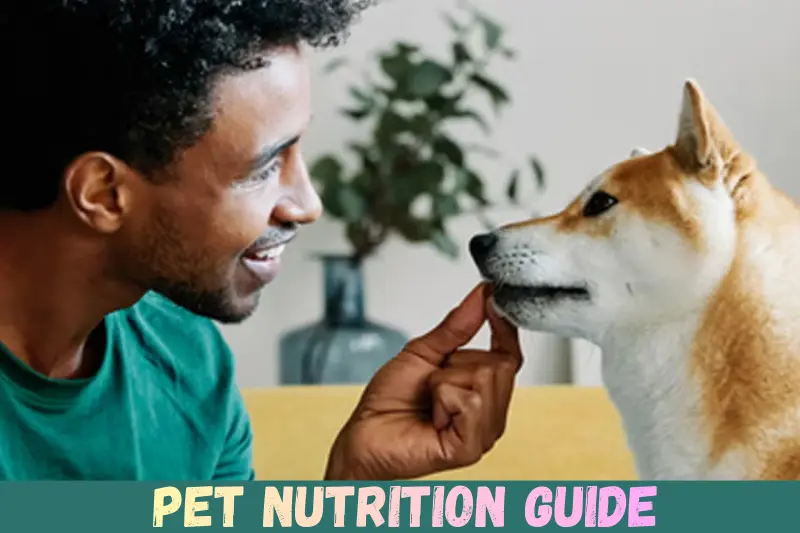
A pet nutrition guide is a structured way to understand and apply proper feeding practices for pets. It explains what types of food pets need, how much to feed them, and how often they should eat. Instead of guessing, a nutrition guide gives clear direction based on science and real pet needs.
At its core, pet nutrition focuses on balanced meals. This means providing the right nutrients in the correct amounts. Pets require proteins for muscle growth, fats for energy, carbohydrates for digestion, and vitamins and minerals for overall health. Water is also a critical part of nutrition, even though it is often overlooked.
A good pet nutrition guide also considers factors like age, breed, size, activity level, and health conditions. For example, a growing puppy needs different nutrients than a senior dog. Similarly, an indoor cat has different calorie needs than an outdoor one.
In simple terms, a pet nutrition guide acts like a roadmap. It helps pet owners make informed decisions instead of relying on trends or advertisements. When followed correctly, it supports long-term health and prevents nutrition-related diseases.
Why is Pet Nutrition Guide Important?
Understanding pet nutrition is not optional. It is essential for your pet’s well-being. A well-planned pet nutrition guide helps prevent many common health problems caused by poor diet choices.
First, proper nutrition supports strong immunity. Pets that eat balanced meals are better equipped to fight infections and recover from illness. Second, it helps maintain a healthy weight. Obesity is a growing problem in pets and often leads to joint pain, diabetes, and heart issues.
In addition, good nutrition improves digestion. Pets fed unsuitable food may suffer from bloating, diarrhea, or constipation. Over time, poor digestion affects nutrient absorption and energy levels. A clear nutrition guide helps you avoid these problems.
Another reason nutrition matters is behavior. Pets that lack essential nutrients may become lazy, aggressive, or anxious. Food directly affects brain health and mood. Therefore, feeding your pet correctly improves both physical and mental health.
Most importantly, following a pet nutrition guide can increase your pet’s lifespan. Pets that receive proper nutrition from an early age often live longer and enjoy better quality of life.
Detailed Step-by-Step Guide
Step 1: Understand Your Pet’s Basic Needs
Every pet has unique nutritional requirements. Start by identifying your pet’s species, age, size, and activity level. Puppies, kittens, and active pets need more calories than older or less active ones.
Also, consider any health conditions. Pets with allergies, kidney issues, or sensitive stomachs need special diets. Understanding these basics is the foundation of any effective pet nutrition guide.
Step 2: Learn About Essential Nutrients
Pets need six basic nutrients:
- Proteins for muscles and tissue repair
- Fats for energy and healthy skin
- Carbohydrates for digestion and energy
- Vitamins for immunity and growth
- Minerals for bones and organs
- Water for hydration and body functions
Each nutrient must be balanced. Too much or too little can cause health issues.
Step 3: Choose the Right Type of Food
Pet food comes in dry, wet, raw, and homemade forms. Dry food is convenient and affordable. Wet food helps with hydration. Raw and homemade diets require careful planning to avoid deficiencies.
Choose food made specifically for your pet’s life stage. Always read labels and avoid products with unclear ingredients.
Step 4: Control Portion Sizes
Overfeeding is one of the biggest mistakes pet owners make. Follow feeding guidelines based on your pet’s weight and age. Use measuring cups instead of guessing.
Adjust portions if your pet gains or loses weight unexpectedly. Portion control is a key part of a successful pet nutrition guide.
Step 5: Set a Feeding Schedule
Consistency helps digestion. Feed your pet at the same times every day. Most adult pets do well with two meals daily, while younger pets may need more frequent feeding.
Avoid free feeding unless advised by a professional.
Step 6: Monitor and Adjust
Watch your pet’s behavior, energy, coat, and stool. These signs reveal how well the diet is working. If you notice changes, adjust the diet slowly.
Nutrition is not fixed. It evolves with your pet’s life stages.
Benefits of Pet Nutrition Guide
- Supports healthy growth and development
- Improves digestion and nutrient absorption
- Maintains ideal body weight
- Boosts immunity and energy levels
- Enhances skin and coat quality
- Reduces risk of chronic diseases
- Improves behavior and mental health
- Increases lifespan and quality of life
Disadvantages / Risks
- Poorly planned diets may cause deficiencies
- Over-supplementation can be harmful
- Raw diets carry contamination risks
- Homemade meals require careful balance
- Sudden diet changes may upset digestion
Common Mistakes to Avoid
One common mistake is feeding human food. Many foods safe for humans are harmful to pets. Another mistake is ignoring portion sizes. Even healthy food can cause obesity if overfed.
Some owners switch foods too quickly. Sudden changes often cause digestive issues. Always transition gradually. Also, avoid relying on treats as a main food source.
Lastly, many people ignore water intake. Clean, fresh water is just as important as food in any pet nutrition guide.
FAQs
What is the best diet for beginners?
A high-quality commercial pet food designed for your pet’s age and size is best for beginners. It provides balanced nutrition without complexity.
How often should I feed my pet?
Most adult pets need two meals a day. Puppies and kittens may need three to four smaller meals.
Can I prepare food at home?
Yes, but only with proper planning. Homemade diets must include all essential nutrients in correct amounts.
Are supplements necessary?
Most balanced diets do not require supplements. Adding them without need may cause harm.
How do I know if my pet’s diet is working?
Healthy weight, shiny coat, good energy, and normal digestion are positive signs.
When should I change my pet’s diet?
Change diets during life stages, health changes, or if advised by a professional.
Expert Tips & Bonus Points
Always introduce new food slowly over seven to ten days. Keep treats under ten percent of daily calories. Store pet food properly to avoid spoilage. Regularly review your pet’s weight and adjust portions.
Most importantly, stay consistent. A simple, balanced diet followed daily is better than frequent changes.
Conclusion
Feeding your pet correctly is one of the most loving things you can do as an owner. A reliable pet nutrition guide helps remove confusion and replaces it with confidence. Instead of following trends or assumptions, you learn to meet your pet’s real nutritional needs.
Good nutrition is not about perfection. It is about balance, consistency, and awareness. By understanding nutrients, choosing the right food, controlling portions, and monitoring results, you create a strong foundation for your pet’s health. Small changes, when applied consistently, lead to big improvements over time.
