

Introduction
Training your pet to perform tricks and follow commands is one of the most rewarding experiences for any pet owner. Not only does it strengthen the bond between you and your pet, but it also keeps them mentally and physically stimulated. Whether you have a playful puppy, an energetic dog, or a curious cat, learning Pet Tricks And Commands can make daily life more enjoyable for both of you.
Many pet owners struggle with training because they aren’t sure where to start or what methods work best. The good news is that teaching your pet doesn’t have to be complicated or time-consuming. With consistency, patience, and the right techniques, any pet can learn basic commands like sit, stay, or roll over, and even fun tricks like fetching items or shaking paws.
What is Pet Tricks and Commands?
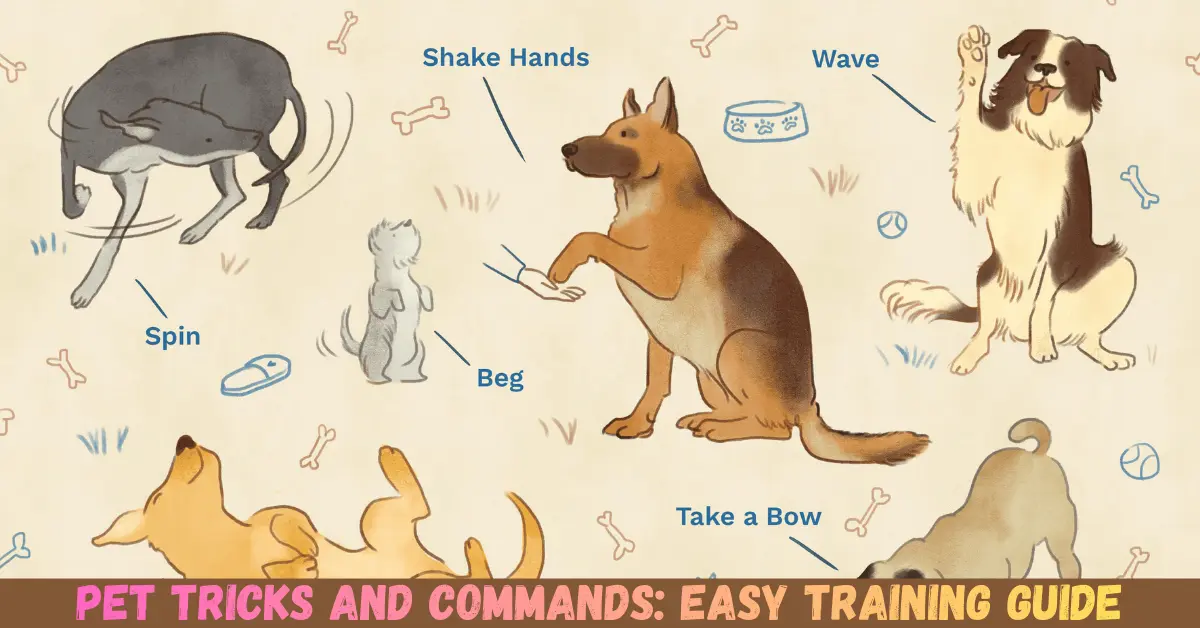
Pet tricks and commands are behaviors taught to pets through consistent practice, positive reinforcement, and repetition. Commands are instructions like “sit,” “stay,” “come,” or “heel” that your pet responds to, while tricks are entertaining actions, such as rolling over, playing dead, or balancing treats on their nose.
At its core, pet training is a form of communication between you and your animal. Pets, especially dogs and cats, have natural instincts and intelligence, but they need guidance to understand what behaviors are expected. Training is not limited to obedience; it includes teaching fun tricks that stimulate their mind, improve their coordination, and provide mental enrichment.
Pet tricks and commands can be taught using various methods:
- Positive reinforcement: Rewarding the pet with treats, praise, or toys when they perform correctly.
- Clicker training: Using a sound to signal the pet has done the correct behavior.
- Repetition and consistency: Regular practice ensures your pet remembers commands over time.
Whether simple or complex, these skills enhance the quality of life for both pets and owners.
Why is Pet Tricks and Commands Important?
Teaching your pet tricks and commands is more than just fun; it has real-life benefits:
- Strengthens the bond: Training creates a deep connection built on trust and understanding.
- Mental stimulation: Tricks challenge your pet’s brain, preventing boredom and destructive behaviors.
- Physical activity: Many tricks involve movement, helping pets stay fit and healthy.
- Safety: Commands like “stay” or “come” can protect pets from danger.
- Social skills: A well-trained pet behaves better in public, reducing stress for owners.
Ignoring training can lead to behavioral problems such as excessive barking, chewing, or aggression. Consistent training ensures pets understand boundaries, rules, and expectations, making daily life smoother for everyone in the household.
Detailed Step-by-Step Guide
Step 1: Understand Your Pet’s Personality
Before starting any training, observe your pet’s behavior. Are they shy, playful, energetic, or stubborn? Understanding their temperament helps you tailor training techniques to suit their needs. For instance:
- Energetic pets may respond well to short, frequent sessions with active games.
- Shy pets might need gentle encouragement and gradual exposure to commands.
Step 2: Start with Basic Commands
Begin with fundamental commands that every pet should know:
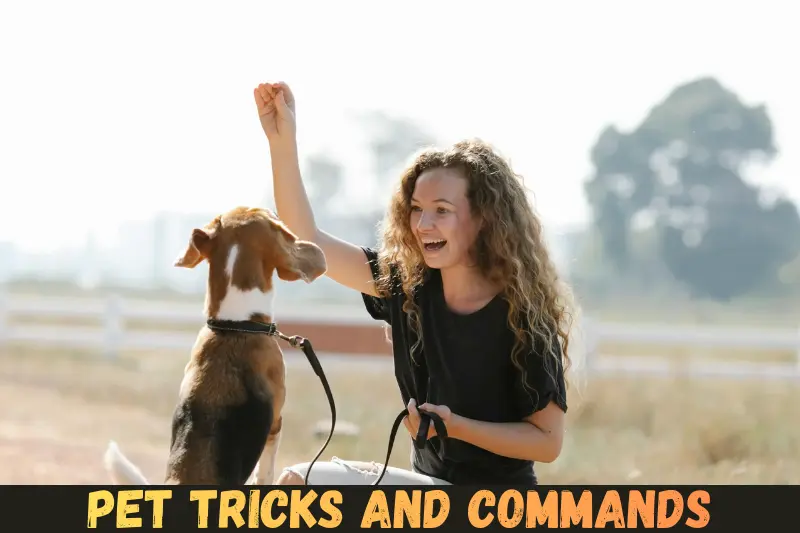
- Sit: Hold a treat above their head and move it back slowly. Most pets will naturally sit to follow the treat. Reward immediately.
- Stay: Have your pet sit, then open your hand like a stop sign and say “stay.” Step back gradually, rewarding them for remaining in place.
- Come: Use a cheerful voice and a treat to call your pet toward you. Start short distances and increase gradually.
Step 3: Introduce Fun Tricks
Once basic commands are mastered, you can move on to tricks:
- Shake hands: Hold a treat and gently lift one paw while saying “shake.” Reward when they comply.
- Roll over: With the pet lying down, move a treat in a circular motion near their shoulder to encourage rolling.
- Play dead: Teach your pet to lie down and stay in position, then use a hand signal like pointing and say “bang” while rewarding them.
Step 4: Use Positive Reinforcement
Rewards are key to successful training. Treats are effective, but verbal praise, petting, or a favorite toy can also work. Timing is critical—reward immediately after the correct behavior to create a clear association.
Step 5: Keep Training Sessions Short and Consistent
Pets have short attention spans, so aim for 5–10 minute sessions multiple times a day. Consistency is more important than duration. Gradually increase complexity as your pet becomes more confident.
Step 6: Gradually Reduce Treats
Once your pet reliably performs a command or trick, start phasing out treats and replace them with verbal praise or affection. This ensures your pet obeys commands even without rewards.
Step 7: Practice in Different Environments
Pets may obey at home but not outside due to distractions. Gradually practice in new environments to reinforce commands and ensure reliable behavior anywhere.
Benefits of Pet Tricks and Commands
Training your pet comes with numerous advantages:
- Improves communication and understanding between pet and owner.
- Reduces behavioral issues like biting, chewing, and barking.
- Strengthens obedience and responsiveness.
- Provides mental stimulation, preventing boredom and anxiety.
- Encourages physical activity for a healthier lifestyle.
- Enhances social skills with other pets and humans.
- Makes pet ownership more enjoyable and less stressful.
Disadvantages / Risks
While training is mostly beneficial, there are some risks if not done properly:
- Using punishment instead of positive reinforcement can create fear or aggression.
- Overtraining may stress your pet or cause fatigue.
- Inconsistent commands confuse pets, slowing progress.
- Ignoring your pet’s personality can lead to resistance or frustration.
- Some advanced tricks may risk injury if not taught carefully.
Common Mistakes to Avoid
- Skipping basics: Don’t rush into advanced tricks before your pet masters simple commands.
- Using inconsistent cues: Always use the same words and gestures for each command.
- Training too long: Keep sessions short to prevent boredom.
- Not rewarding properly: Immediate rewards are essential for learning.
- Ignoring distractions: Gradually increase distractions rather than avoiding them.
- Getting frustrated: Patience is key—pets learn at their own pace.
FAQs
1. How long does it take to train a pet?
Training time varies depending on the pet’s age, breed, and temperament. Basic commands may take a few weeks, while complex tricks could take months. Consistent, daily practice accelerates learning.
2. Can cats learn tricks like dogs?
Yes! Cats are intelligent and can learn tricks using treats and positive reinforcement. Commands like “sit,” “high-five,” and “come” are achievable with patience.
3. What is the best age to start training?
Training can start as early as 8 weeks old for puppies and kittens. Early training helps establish good habits and prevents behavioral issues.
4. Should I use treats or toys for rewards?
Both work, depending on your pet’s preference. Some respond better to treats, others to toys or verbal praise. Mix rewards to keep training engaging.
5. How often should I train my pet?
Short, frequent sessions are best—5–10 minutes, 2–3 times a day. Consistency is more important than session length.
6. What if my pet refuses to learn?
If your pet resists, take a break and try again later. Ensure you’re using positive reinforcement, keeping sessions short, and practicing patience. Some pets require more repetition to understand commands.
7. Can older pets learn new tricks?
Absolutely! Older pets may take longer to learn, but they can acquire new skills. Patience and consistent training are key.
8. Is clicker training effective for all pets?
Yes, clicker training works for dogs, cats, and even some small animals. The click signals correct behavior, making learning faster.
Expert Tips & Bonus Points
- Use a calm, positive tone: Pets respond better to encouragement than yelling.
- Train one command at a time: Avoid confusion by focusing on a single skill before moving to the next.
- Break tricks into small steps: Teaching complex behaviors in stages increases success.
- Stay patient: Every pet learns at its own pace. Celebrate small victories.
- Keep a training journal: Note progress, successful commands, and areas needing improvement.
- Socialize while training: Combine obedience training with social experiences for well-rounded behavior.
- Use hand signals: Many pets respond better to visual cues than verbal commands.
Bonus tip: Incorporate fun games into training, like fetch or hide-and-seek, to reinforce commands while keeping your pet happy and active.
Conclusion
Pet tricks and commands are an essential part of pet ownership that goes beyond obedience. They strengthen the bond between you and your pet, provide mental and physical stimulation, and create a safer, happier environment. By starting with basic commands, gradually introducing fun tricks, and using positive reinforcement, any pet can learn new skills regardless of age or breed.
Consistency, patience, and understanding your pet’s personality are key to successful training. Avoid common mistakes like overtraining, inconsistent commands, or punishment-based methods. Focus on short, regular sessions, and always reward progress.
