

Introduction
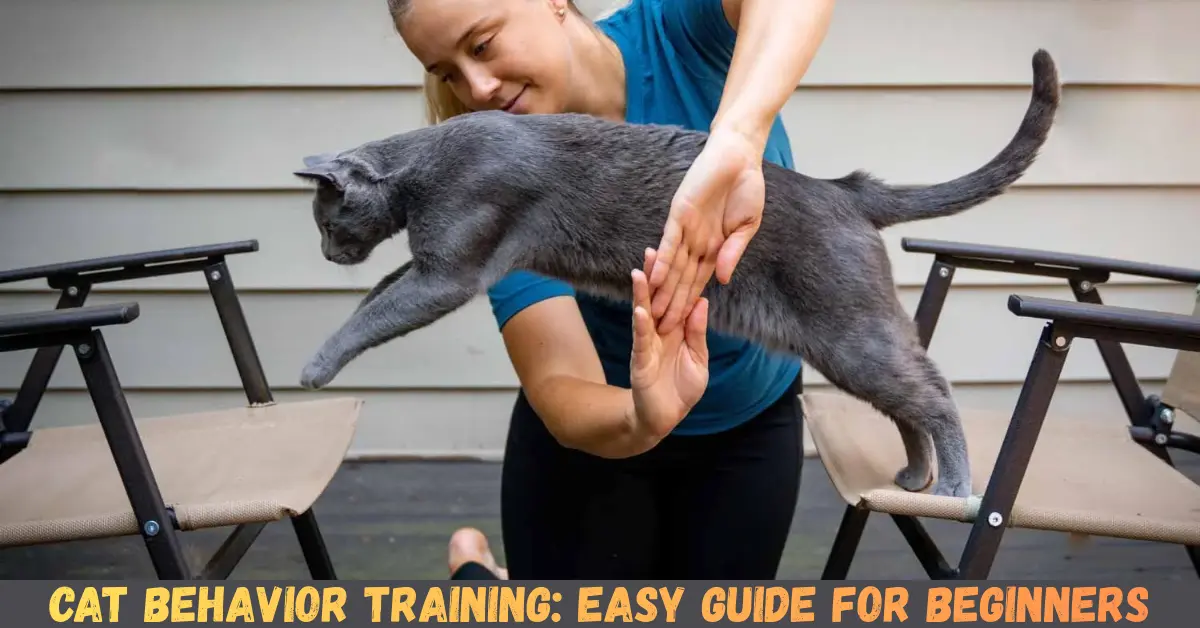
Training a cat might sound challenging to many pet owners, but it’s entirely possible with the right techniques and patience. Cats are intelligent, curious, and social animals, yet they have unique personalities that can make traditional training methods less effective. Unlike dogs, cats often respond better to positive reinforcement rather than punishment, which is why understanding cat behavior training is crucial for every Pet Training owner.
Many people believe cats are impossible to train, but that’s a misconception. With consistency, patience, and the right approach, you can teach your cat basic commands, correct unwanted behavior, and strengthen your bond. Cat Behavior Training not only improves your cat’s obedience but also ensures a safer and happier home environment.
What is Cat Behavior Training?
Cat behavior training is the process of teaching a cat to understand and respond to specific commands, cues, or rules. Unlike dogs, cats are independent creatures, so training focuses on motivating them through positive reinforcement, rewards, and environmental adjustments rather than dominance.
It involves understanding why cats act a certain way, including scratching furniture, biting, jumping on counters, or inappropriate litter habits. By identifying the root cause of behaviors, owners can implement techniques to encourage good habits and reduce unwanted actions. Training also includes socialization, crate training (if needed), and teaching cats to interact politely with humans and other pets.
Cat behavior training is not about forcing obedience but fostering communication between you and your cat. This approach makes training enjoyable for both of you, building trust while enhancing your cat’s mental and physical well-being.
Why is Cat Behavior Training Important?
Training your cat may seem optional, but it offers several essential benefits:
- Safety: Properly trained cats are less likely to engage in dangerous behaviors such as running into traffic or chewing hazardous items.
- Reduced Stress: Cats that understand boundaries are less anxious and exhibit fewer destructive behaviors.
- Better Communication: Training helps you understand your cat’s needs, moods, and personality.
- Stronger Bond: Positive interactions during training build trust and affection between you and your cat.
- Improved Household Harmony: Trained cats are easier to live with, causing less damage to furniture and other household items.
- Healthier Lifestyle: Training encourages exercise, play, and mental stimulation, which improves overall health.
Without training, many cats develop bad habits that are difficult to correct later. Therefore, investing time in cat behavior training can save frustration and ensure a happy home for both you and your feline companion.
Detailed Step-by-Step Guide to Cat Behavior Training

Training a cat requires patience, consistency, and the right methods. Here is a step-by-step guide to help you train your cat effectively:
Step 1: Understand Your Cat’s Behavior
Before training, observe your cat’s natural behavior:
- Note when your cat is most active.
- Identify triggers for unwanted behaviors, such as scratching or aggression.
- Recognize your cat’s personality type—some cats are shy, others are more confident.
Step 2: Use Positive Reinforcement
Cats respond well to rewards rather than punishment:
- Give treats for desirable behaviors like using a scratching post.
- Use praise and petting to reinforce positive actions.
- Avoid yelling or physical punishment, which can cause fear.
Step 3: Start with Basic Commands
Introduce simple commands using verbal cues or hand signals:
- Sit: Hold a treat above your cat’s head and move it back slowly. Reward when your cat sits.
- Come: Use a specific sound or call while offering a treat when your cat approaches.
- High Five: Encourage paw movement toward your hand and reward with treats.
Step 4: Litter Training
Most cats instinctively use a litter box, but some need guidance:
- Keep the box clean and in a quiet, accessible area.
- Reward your cat after successful use.
- Discourage accidents by placing your cat in the litter box immediately after meals or naps.
Step 5: Address Unwanted Behavior
Redirect destructive behaviors:
- Scratching Furniture: Provide scratching posts and reward their use.
- Biting or Aggression: Avoid rough play and use toys to redirect energy.
- Jumping on Counters: Use double-sided tape or aluminum foil to discourage jumping.
Step 6: Socialization
Expose your cat to new people, pets, and environments gradually:
- Allow slow introductions to other pets.
- Use treats and gentle encouragement for positive interactions.
- Avoid overwhelming situations.
Step 7: Create a Routine
Cats thrive on consistency:
- Set feeding times, play sessions, and training sessions daily.
- Keep commands and cues consistent.
- Gradually increase training complexity as your cat learns.
Step 8: Patience and Consistency
Training may take days or weeks:
- Keep sessions short (5–10 minutes) to maintain focus.
- Be patient and never punish mistakes.
- Celebrate small victories to motivate your cat.
Benefits of Cat Behavior Training
Training your cat offers numerous advantages:
- Improved obedience and understanding of household rules.
- Reduced destructive behavior and accidents.
- Strengthened bond and trust between cat and owner.
- Better mental stimulation and physical activity.
- Safer home environment for both cat and family.
- Easier integration with other pets and people.
Disadvantages / Risks of Cat Behavior Training
While training is beneficial, there are a few risks:
- Frustration: Owners may get frustrated if progress is slow.
- Stress for Cats: Overtraining or harsh methods can cause anxiety.
- Inconsistency: Inconsistent commands can confuse cats.
- Time-Consuming: Training requires patience and daily commitment.
- Behavior Regression: Without regular reinforcement, learned behaviors may fade.
Common Mistakes to Avoid
To make training effective, avoid these mistakes:
- Using Punishment: Yelling, hitting, or spraying water can damage trust.
- Inconsistency: Changing commands or rules confuses your cat.
- Skipping Rewards: Positive reinforcement is key to learning.
- Overtraining: Long sessions can lead to boredom or stress.
- Ignoring Natural Behavior: Understanding instincts like scratching or hunting is essential.
- Impatience: Cats learn gradually; rushing will not yield results.
FAQs about Cat Behavior Training
1. Can all cats be trained?
Yes, all cats can be trained, but results depend on personality, age, and patience. Kittens often learn faster, but adult cats can adapt with consistent effort.
2. How long does it take to train a cat?
Training duration varies. Simple commands may take a few days, while complex behavior modifications can take several weeks or months.
3. Are treats necessary for training?
While not mandatory, treats are highly effective in reinforcing positive behavior. Use small, healthy treats to maintain motivation.
4. What if my cat ignores training?
Cats respond best to short, positive sessions. If ignored, try different rewards or adjust the environment to reduce distractions.
5. Can training prevent destructive behavior?
Yes, redirecting natural instincts like scratching and hunting toward appropriate outlets reduces destructive behavior significantly.
6. Is punishment ever effective?
No, punishment often creates fear and distrust. Positive reinforcement works much better and strengthens your bond with your cat.
7. How often should I train my cat?
Short sessions (5–10 minutes) 2–3 times a day are most effective. Consistency is more important than duration.
8. Can training improve cat aggression?
Yes, identifying triggers and using gentle redirection, play therapy, and socialization can reduce aggression.
Expert Tips & Bonus Points
- Use Clicker Training: Clicker sounds paired with treats can enhance learning.
- Observe Body Language: Tail position, ear movement, and posture provide clues about comfort or stress.
- Rotate Toys: Keep your cat engaged by offering variety.
- Provide Vertical Space: Cats love climbing; shelves or cat trees reduce unwanted climbing elsewhere.
- Reward Immediately: Immediate rewards help your cat associate behavior with consequences.
- Stay Calm: Your mood affects your cat; remain calm and patient.
- Record Progress: Keep a training journal to monitor improvements and setbacks.
Conclusion
Cat behavior training is a rewarding journey that strengthens the bond between you and your feline companion. By understanding your cat’s behavior, using positive reinforcement, and applying consistent techniques, you can address unwanted actions and teach valuable skills. Training ensures a safer, happier, and more harmonious home, reducing stress for both you and your cat.
While patience and consistency are essential, the rewards are worth every effort. Trained cats enjoy more mental stimulation, socialization, and interaction, leading to a healthier and more fulfilling life. Avoid common mistakes, embrace gentle methods, and celebrate small victories to maintain motivation and progress.
