


Introduction
Training your dog is more than just teaching them tricks; it’s about building a strong bond, creating a safe environment, and ensuring your Pet Training behaves well in different situations. Whether you have a puppy or an adult dog, understanding the basics of training can transform your relationship and make life with your dog more enjoyable. Many dog owners struggle with obedience, chewing, barking, or walking on a leash, but with the right dog training tips, these challenges can be overcome efficiently.
Dog Training Tips may seem daunting at first, especially for beginners, but it is a rewarding experience. The key is consistency, patience, and understanding your dog’s behavior. Dogs are intelligent creatures that respond best to positive reinforcement, clear commands, and structured routines. By applying proper techniques, you not only teach your dog manners but also help them gain confidence and reduce anxiety.
What is Dog Training?
Dog training is the process of teaching your dog to understand and respond to commands, behave appropriately in various environments, and interact positively with humans and other animals. It involves reinforcing desirable behavior and discouraging unwanted actions using consistent methods.
Training can range from basic obedience, like sitting, staying, or coming when called, to advanced tasks, such as agility training or specialized work like therapy or service dog duties. The primary goal is to improve communication between you and your dog, ensuring that both of you understand each other clearly.
Dog training also includes socialization, which exposes dogs to new people, animals, and environments. Proper socialization reduces fear, aggression, and anxiety, creating a well-adjusted and confident dog.
Why is Dog Training Important?
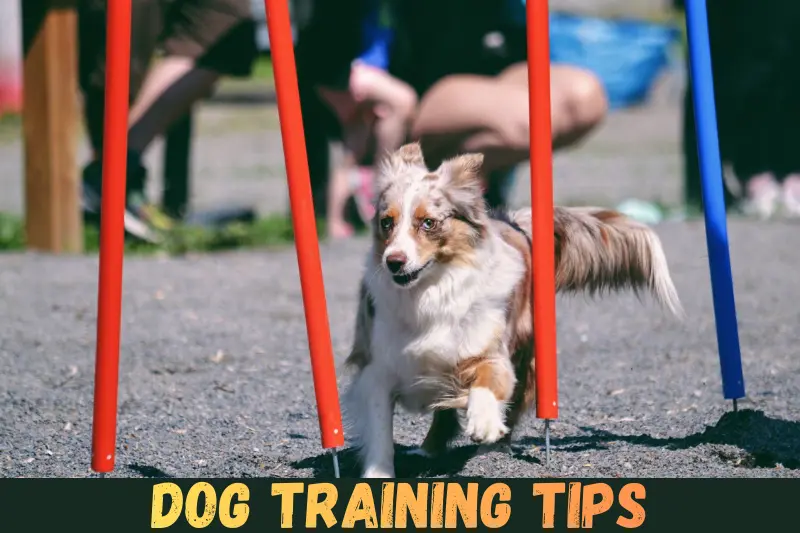
Dog training is essential for several reasons, making it a crucial part of responsible pet ownership:
- Safety: A trained dog is less likely to run into dangerous situations, such as traffic or fights with other animals.
- Better Communication: Training establishes a clear line of communication, making it easier for you to convey commands and expectations.
- Behavior Management: Proper training prevents or corrects problem behaviors like barking, chewing, digging, and jumping.
- Stronger Bond: Training sessions create quality interaction time, strengthening the emotional connection between owner and dog.
- Socialization: Training helps dogs behave appropriately in public and around other pets.
- Mental Stimulation: Learning new commands and skills keeps your dog mentally active, reducing boredom-related behaviors.
Without training, dogs can develop habits that are difficult to correct later, which may lead to stress, frustration, or even surrender to shelters. Training ensures a happier and healthier environment for both you and your dog.
Detailed Step-by-Step Guide
Step 1: Understand Your Dog’s Behavior
Before you begin training, observe your dog’s personality, energy levels, and triggers. Every dog is unique; some are calm, others are energetic or sensitive. Understanding these traits helps you choose the most effective training methods.
Step 2: Create a Consistent Routine
Dogs thrive on routine. Establish consistent feeding times, walking schedules, and training sessions. Regularity helps your dog anticipate expectations, making learning faster.
- Start with 5–10 minute sessions for puppies
- Increase duration gradually for adult dogs
- Train at the same times each day
Step 3: Use Positive Reinforcement
Positive reinforcement is the most effective and humane training method. Reward your dog with treats, praise, or play when they display desired behavior.
- Example: When teaching “sit,” reward immediately after your dog sits
- Avoid physical punishment; it can lead to fear or aggression
Step 4: Teach Basic Commands
Focus on essential commands first:
- Sit: Helps your dog calm down and obey
- Stay: Useful for safety and self-control
- Come: Crucial for recall and preventing danger
- Down: Encourages relaxation and discipline
- Leave It: Prevents dogs from picking up harmful objects
Step 5: Leash Training
Leash training ensures safe walks and reduces pulling:
- Start in a quiet area
- Reward your dog for walking beside you
- Stop walking if your dog pulls, resume once calm
Step 6: Socialization
Expose your dog to different people, dogs, and environments gradually. Socialization reduces fear, aggression, and anxiety:
- Arrange playdates with friendly dogs
- Visit parks, pet-friendly cafes, or busy streets
- Reward calm and confident behavior
Step 7: Address Behavioral Issues
Common issues include barking, chewing, and jumping:
- Barking: Identify triggers and redirect attention with commands or toys
- Chewing: Provide chew toys and discourage furniture chewing
- Jumping: Ignore jumping and reward calm greetings
Step 8: Advanced Training (Optional)
Once basic commands are mastered, you can introduce advanced skills:
- Agility training for mental and physical exercise
- Tricks like rolling over, fetching, or balancing
- Service or therapy dog training if relevant
Step 9: Maintain Consistency
Training is ongoing. Reinforce skills regularly and remain patient. Inconsistency confuses your dog and slows progress.
Benefits of Dog Training
Training your dog brings numerous benefits for both the pet and the owner:
- Improved obedience and control
- Enhanced safety in public and at home
- Strengthened bond between dog and owner
- Reduced behavioral problems like aggression or anxiety
- Mental stimulation for your dog
- Easier veterinary visits and grooming
- Better social interactions with other pets and people
- Increased confidence and adaptability in your dog
Disadvantages / Risks
While training is beneficial, improper techniques can cause issues:
- Stress and Anxiety: Harsh punishment can lead to fear and aggression
- Injury: Physical correction methods can harm dogs
- Behavioral Confusion: Inconsistent commands confuse your dog
- Time-Consuming: Effective training requires patience and daily effort
- Frustration: Owners may feel discouraged if progress is slow
Proper guidance and consistent, positive reinforcement minimize these risks.
Common Mistakes to Avoid
- Inconsistency: Using different commands or rules confuses your dog
- Overtraining: Long sessions can tire your dog and reduce learning efficiency
- Punishment-Based Training: Avoid yelling, hitting, or scolding
- Ignoring Socialization: Lack of exposure to new situations increases fear
- Expecting Instant Results: Training requires patience; dogs learn gradually
- Neglecting Exercise: A bored dog may develop behavioral issues despite training
- Using Inappropriate Rewards: Not all treats or toys motivate every dog
FAQs
1. How long does it take to train a dog?
Training varies by age, breed, and temperament. Puppies may learn basic commands in 6–8 weeks, while adult dogs may take longer. Consistent daily practice speeds progress.
2. Can I train my dog myself?
Yes, with patience, consistency, and positive reinforcement, most owners can successfully train their dogs. Professional trainers help with advanced or behavioral issues.
3. What if my dog doesn’t respond to treats?
Not all dogs are food-motivated. Try using toys, praise, or playtime as rewards. Observe what excites your dog most and use it consistently.
4. How often should I train my dog?
Short, frequent sessions are more effective than long ones. Aim for 10–15 minutes, 2–3 times daily for puppies, and 15–30 minutes for adult dogs.
5. Is leash training necessary?
Yes, it ensures safe walks, prevents pulling, and teaches your dog to follow your lead. Leash-trained dogs are easier to control in public.
6. How do I stop my dog from barking excessively?
Identify triggers (other dogs, strangers, boredom) and redirect attention. Reward quiet behavior and avoid reinforcing barking with attention.
7. Should I socialize my dog with all dogs?
Only with friendly and vaccinated dogs. Supervise interactions and gradually expose your dog to different environments. Positive socialization builds confidence and reduces aggression.
Expert Tips & Bonus Points
- Use Clicker Training: Clickers provide precise feedback, making learning faster
- Train in Short Bursts: Dogs have short attention spans; 5–10 minutes is ideal
- Practice in Different Locations: This ensures your dog obeys commands anywhere
- Stay Calm and Patient: Dogs sense frustration; remain relaxed and encouraging
- End on a Positive Note: Finish sessions with a successful command and reward
- Incorporate Play: Training through games keeps dogs engaged and motivated
Bonus: Keep a training journal to track progress, note challenges, and celebrate milestones.
Conclusion
Dog training is a rewarding journey that requires patience, consistency, and understanding. By following these dog training tips, beginners and intermediate owners can teach their dogs basic commands, correct undesirable behaviors, and build a strong bond. Training is not just about obedience; it’s about creating a happy, confident, and well-adjusted dog.
Remember, positive reinforcement, clear communication, and routine are the pillars of effective dog training. Avoid common mistakes, embrace socialization, and incorporate mental stimulation into daily routines. Over time, these efforts result in a well-behaved dog who is safe, confident, and enjoyable to be around.
