

Introduction
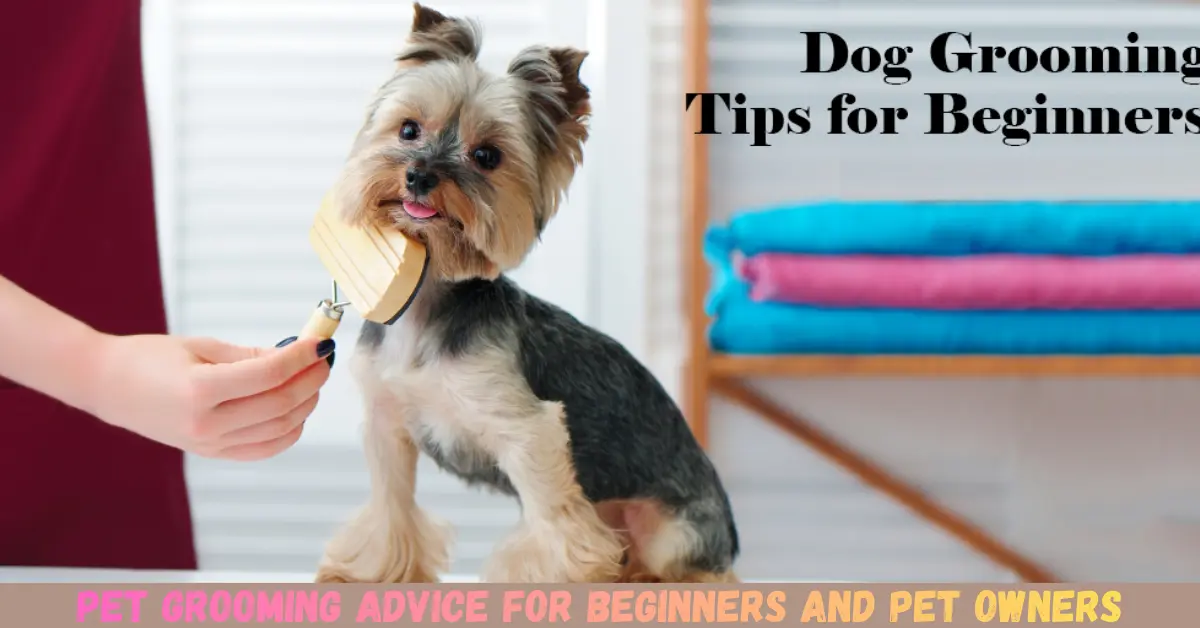
Caring for a pet goes far beyond feeding and daily walks. One of the most important yet often ignored parts of pet care is grooming. Proper grooming keeps pets clean, healthy, and comfortable while also strengthening the bond between owners and their animals. Many new pet owners feel nervous because they think grooming is difficult or only meant for professionals. In reality, with the right knowledge and routine, anyone can do it at home. This article focuses on practical Pet Grooming Advice that is easy to understand and apply.
Grooming is not just about making your pet look good. It plays a major role in detecting health issues early, such as skin infections, parasites, or unusual lumps. When grooming becomes a habit, pets feel more relaxed and confident, and owners feel more connected to them. Moreover, clean pets usually behave better and stay more active.
What is Pet Grooming Advice?
Pet grooming advice refers to practical guidance that helps pet owners maintain their pet’s hygiene, appearance, and overall health. It covers activities like bathing, brushing, nail trimming, ear cleaning, and coat care. Grooming advice also explains how often these tasks should be done and which tools are safe to use.
Unlike professional grooming services, grooming advice focuses on what owners can do themselves. For example, learning how to brush a dog’s coat properly can reduce shedding and prevent painful mats. Similarly, understanding how to clean a cat’s ears safely can prevent infections.
Good grooming advice also includes behavior handling. Pets may feel scared or uncomfortable during grooming, so knowing calming techniques is important. In simple terms, grooming advice teaches you how to care for your pet in a gentle, safe, and effective way.
Why is Pet Grooming Advice Important?
Pet grooming advice is important because grooming affects both physical and emotional health. Pets that are groomed regularly tend to stay healthier and happier.
First, grooming helps prevent health problems. Dirty coats can hide parasites, infections, or wounds. Regular grooming allows owners to notice changes early and seek help before problems worsen.
Second, grooming improves comfort. Long nails can cause pain while walking, and tangled fur can pull on the skin. Proper grooming removes these discomforts and helps pets move freely.
Finally, grooming builds trust. When done calmly and regularly, pets learn to relax during grooming sessions. This makes daily handling easier and reduces stress for both pets and owners.
Detailed Step-by-Step Guide
Step 1: Prepare the Right Tools
Before starting, gather all grooming tools in one place. This prevents interruptions and keeps the session smooth.
Common tools include:
- Soft brush or comb suitable for your pet’s coat
- Pet-safe shampoo
- Nail clippers or grinder
- Clean towels
- Cotton pads for ear cleaning
Having the right tools ensures safety and comfort.
Step 2: Brushing the Coat
Brushing should always come first, especially before bathing. It removes loose hair, dirt, and tangles.
Start slowly and brush in the direction of hair growth. For example, long-haired dogs may need daily brushing, while short-haired pets may need it once a week.
Brushing also stimulates blood flow and spreads natural oils, keeping the coat healthy.
Step 3: Bathing Your Pet
Bathing frequency depends on the pet type and lifestyle. Use lukewarm water and a pet-safe shampoo.
Wet the coat gently, apply shampoo, and massage softly. Avoid eyes and ears. Rinse thoroughly, as leftover shampoo can irritate skin.
Dry your pet with a towel and keep them warm afterward.
Step 4: Nail Trimming
Nail trimming is often the most feared step, but it is very important.
Trim small portions at a time to avoid cutting the quick. If unsure, use a nail grinder for better control.
Short nails help pets walk comfortably and prevent injuries.
Step 5: Ear and Eye Cleaning
Use a damp cotton pad to clean around ears and eyes. Never insert anything deep into the ear.
Check for redness, bad smell, or discharge. These signs may require a vet visit.
Step 6: Dental Care
Dental hygiene is part of grooming too. Brush your pet’s teeth using a pet-friendly toothpaste.
Start slowly and reward your pet afterward to build a positive routine.
Benefits of Pet Grooming Advice
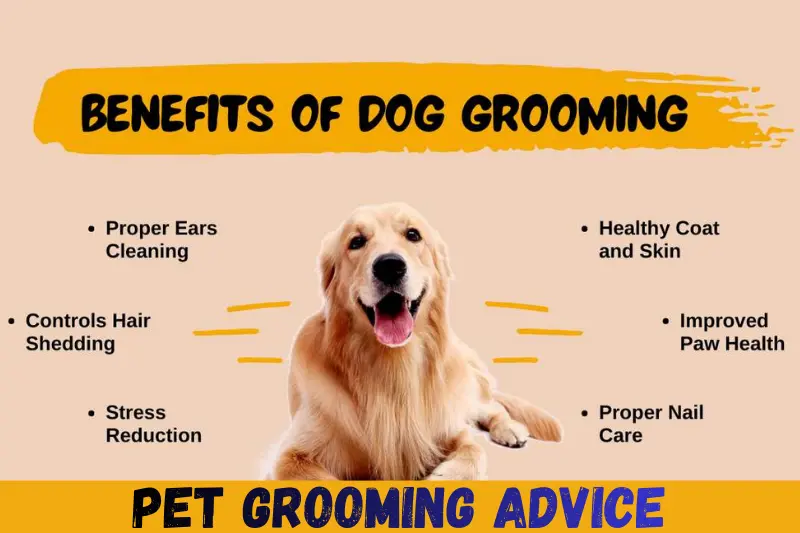
- Improves pet hygiene and cleanliness
- Helps detect health problems early
- Reduces shedding and bad odors
- Prevents painful mats and skin infections
- Builds trust and bonding with your pet
- Saves money on professional grooming
Disadvantages / Risks
- Improper tools can cause injuries
- Overbathing may dry out the skin
- Pets may feel stressed if handled roughly
- Nail trimming mistakes can cause bleeding
- Lack of patience may create fear in pets
Common Mistakes to Avoid
Many pet owners make simple mistakes during grooming.
One common mistake is rushing the process. Grooming should be calm and slow. Another mistake is using human products, which can harm a pet’s skin. Skipping regular brushing is also a problem, especially for long-haired pets.
Ignoring signs of stress is another issue. If your pet shows fear, pause and calm them before continuing. Avoid forcing grooming, as this can damage trust.
FAQs
How often should I groom my pet?
The frequency depends on the pet’s coat and lifestyle. Most pets benefit from weekly brushing and monthly baths.
Can I groom my pet at home safely?
Yes, with proper tools and guidance, home grooming is safe and effective for most routine care.
What if my pet hates grooming?
Start slowly, use treats, and keep sessions short. Over time, pets usually become more comfortable.
Is grooming necessary for indoor pets?
Yes, even indoor pets need grooming to stay clean and healthy.
When should I visit a professional groomer?
If your pet has severe mats, skin issues, or behavior problems, a professional groomer can help.
Does grooming help with shedding?
Regular brushing significantly reduces shedding and keeps your home cleaner.
Expert Tips & Bonus Points
Consistency is key. Set a grooming schedule and stick to it. Always reward your pet after grooming to create positive associations. Choose tools based on your pet’s size and coat type. Most importantly, stay calm and patient during every session.
Listening to your pet’s body language is another expert tip. If they seem uncomfortable, adjust your approach. Over time, grooming will become a relaxing routine for both of you.
Conclusion
Pet grooming is not just a task but a responsibility that shows love and care. With the right approach, grooming becomes a bonding activity rather than a stressful chore. This guide has shared clear and practical pet grooming advice to help beginners and intermediate pet owners feel confident. From brushing and bathing to nail trimming and ear care, each step plays a role in keeping pets healthy and happy.
Regular grooming improves hygiene, prevents health issues, and strengthens trust. While there are some risks, they can be avoided with patience, proper tools, and gentle handling. Remember that every pet is unique, so adapt your routine based on their needs and comfort level.
