

Introduction
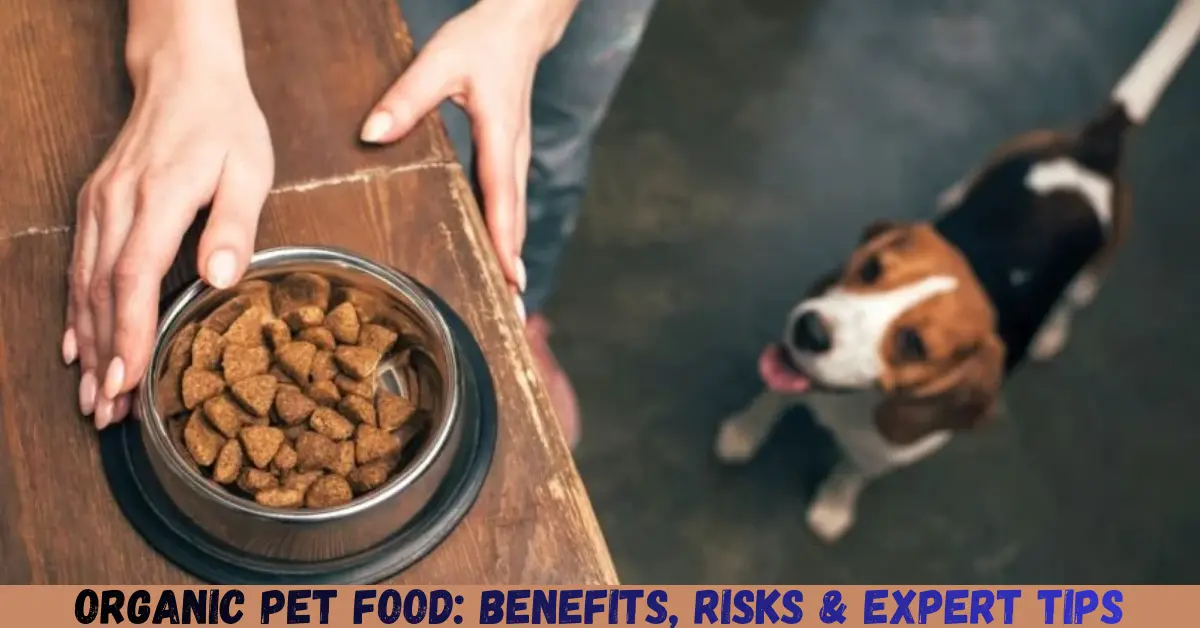
As a pet owner, nothing matters more than your furry friend’s health and happiness. Feeding your pet the right food is one of the simplest ways to ensure they live a long, healthy life. Over the years, more pet owners are switching to Organic Pet Food because it is free from harmful chemicals, artificial preservatives, and genetically modified ingredients. But what exactly makes organic pet food so special?
Organic pet food is carefully made from natural ingredients sourced from certified farms. These foods prioritize the overall health of pets while supporting sustainable farming practices. Unlike conventional pet food, which may contain fillers, additives, and synthetic ingredients, organic options offer cleaner nutrition.
What is Organic Pet Food?
Organic pet food refers to pet products made from ingredients that meet specific organic certification standards. These foods typically:
- Are free from synthetic fertilizers, pesticides, and GMOs
- Avoid artificial colors, flavors, and preservatives
- Use natural, minimally processed ingredients
- Often come from ethically raised animals
Essentially, organic pet food is similar to organic human food but tailored for dogs, cats, and other pets. It may include organic meats, vegetables, grains, and supplements designed to meet the nutritional needs of pets.
Many organic pet foods also focus on sustainable sourcing and environmentally friendly packaging. Some brands even use organic fruits and vegetables to add natural vitamins and antioxidants. Choosing organic pet food means prioritizing both your pet’s health and the planet.
Why is Organic Pet Food Important?
The importance of organic pet food cannot be overstated. Here’s why many pet owners are making the switch:
- Better Nutritional Quality
Organic ingredients often contain higher levels of vitamins, minerals, and antioxidants than conventional options. This can help improve your pet’s immune system, coat health, and overall vitality. - Reduced Chemical Exposure
Conventional pet foods may contain pesticides, herbicides, and chemical additives. Organic pet food reduces your pet’s exposure to these harmful substances, which can cause long-term health problems. - Support for Ethical Farming
Choosing organic pet food promotes responsible farming practices. Animals are raised without unnecessary antibiotics or growth hormones, and crops are grown sustainably. - Improved Digestive Health
Many pets are sensitive to fillers and artificial ingredients. Organic pet food is easier to digest and less likely to trigger allergies or stomach issues. - Long-Term Health Benefits
Regularly feeding pets organic food may help prevent obesity, skin problems, and chronic diseases. Healthier ingredients support longevity and vitality.
Overall, organic pet food is more than a trend—it’s a conscious choice that impacts your pet’s life and the environment positively.
Detailed Step-by-Step Guide to Choosing and Using Organic Pet Food
Step 1: Identify Your Pet’s Nutritional Needs
Every pet has unique dietary requirements based on age, size, activity level, and health conditions. Before selecting an organic brand, consider:
- Life stage (puppy, adult, senior)
- Breed-specific needs
- Weight management
- Allergies or sensitivities
For example, large dog breeds may require more joint-supporting nutrients, while senior cats benefit from easily digestible proteins.
Step 2: Check Ingredients Carefully
Read labels thoroughly. Look for:
- Certified organic meats (chicken, beef, fish)
- Whole grains or organic vegetables
- No artificial colors, flavors, or preservatives
- Minimal fillers like corn or soy
Avoid products with vague terms like “meat by-products” or “natural flavors,” as these are often low-quality ingredients.
Step 3: Choose a Reputable Brand
Not all organic pet foods are created equal. Consider:
- Brands with third-party certifications (USDA Organic, ECOCERT)
- Positive reviews from pet owners
- Transparency about sourcing and production
Reputable brands invest in research and quality control to ensure your pet receives safe, nutritious food.
Step 4: Introduce Slowly
Switching your pet’s diet abruptly can cause digestive issues. Follow these steps:
- Mix 25% organic food with 75% old food for 3 days
- Increase organic food to 50% for the next 3 days
- Gradually move to 75% organic, then 100%
Monitor your pet for signs of discomfort, diarrhea, or vomiting.
Step 5: Monitor Portion Sizes
Even organic pet food can cause weight gain if overfed. Use guidelines on the packaging but adjust based on:
- Activity level
- Age
- Body condition
Regularly weigh your pet and adjust portions accordingly.
Step 6: Supplement if Needed
Some pets may need additional nutrients, even with organic food. Consult your veterinarian about supplements like:
- Omega-3 fatty acids for coat health
- Probiotics for digestion
- Vitamins for seniors or special conditions
Step 7: Store Properly
Organic foods often have fewer preservatives, so proper storage is essential:
- Keep in a cool, dry place
- Use airtight containers
- Check expiration dates regularly
Benefits of Organic Pet Food
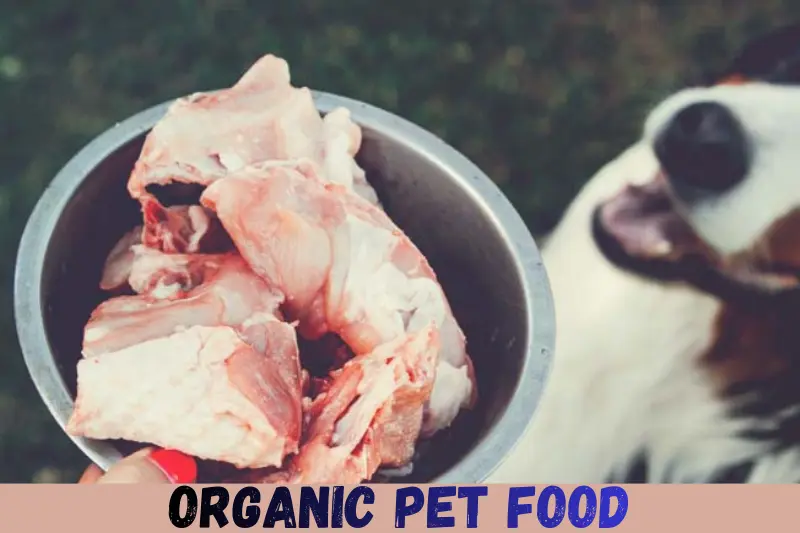
Feeding your pet organic food comes with multiple benefits:
- Improved Health: Fewer toxins and higher nutrients support overall well-being
- Better Digestion: Easier on sensitive stomachs
- Shiny Coat & Healthy Skin: Rich in natural proteins and fatty acids
- Fewer Allergies: Reduced artificial additives and fillers
- Weight Management: Balanced nutrition helps maintain ideal weight
- Environmentally Friendly: Sustainable sourcing reduces ecological impact
- Ethical Practices: Promotes humane treatment of farm animals
Disadvantages / Risks
While organic pet food is highly beneficial, there are some considerations:
- Higher Cost: Organic food can be 20–50% more expensive than conventional options
- Limited Availability: Not all stores carry a wide range of organic pet foods
- Shorter Shelf Life: Less preservatives mean food expires faster
- Potential Nutrient Gaps: Not all organic products are fully balanced; check for completeness
- Transition Challenges: Some pets may initially resist the change
Common Mistakes to Avoid
- Assuming “Natural” Equals Organic
“Natural” is not the same as certified organic. Always check labels. - Overfeeding
Even organic food can cause obesity if portions aren’t controlled. - Ignoring Allergies
Pets can still have allergies to organic ingredients like grains or proteins. - Skipping Vet Consultation
Always consult a veterinarian before making major diet changes. - Neglecting Proper Storage
Improper storage can lead to spoilage and bacterial growth.
FAQs About Organic Pet Food
1. Is organic pet food better for all pets?
Yes, most pets benefit from cleaner, chemical-free food. However, specific dietary needs should be considered, especially for pets with health conditions.
2. Can organic food prevent pet allergies?
Organic food can reduce exposure to chemicals that trigger allergies, but pets may still react to natural ingredients like chicken, beef, or grains.
3. How do I know if a product is truly organic?
Look for certified labels like USDA Organic, ECOCERT, or other recognized organizations. Avoid vague claims.
4. Can I feed homemade organic food to my pet?
Yes, but it requires careful planning to ensure balanced nutrition. Consult a vet or pet nutritionist.
5. Is it safe to switch from regular to organic food abruptly?
No, sudden changes can upset digestion. Introduce slowly over 7–10 days.
6. Are organic treats safe for daily consumption?
Generally, yes, but they should complement a balanced diet, not replace meals.
7. Can organic food help senior pets?
Yes, organic ingredients are easier to digest, and high-quality proteins and fats can support aging joints and skin.
8. Is organic food environmentally friendly?
Yes, organic farming avoids harmful chemicals, supports soil health, and often uses sustainable practices.
Expert Tips & Bonus Points
- Mix It Up: Rotate proteins like chicken, fish, and lamb for balanced nutrition.
- Add Fresh Vegetables: Carrots, pumpkin, and spinach can boost fiber and vitamins.
- Watch Your Pet’s Weight: Use a body condition chart to avoid obesity.
- Regular Vet Checkups: Monitor health improvements after switching to organic.
- Batch Cook If Homemade: Freeze portions for convenience and freshness.
- Introduce Slowly: Gradual transitions prevent digestive upset.
- Hydration Matters: Organic dry food should be paired with fresh water.
Conclusion
Organic pet food offers a natural, healthier alternative to conventional options. It provides essential nutrients, supports digestion, reduces exposure to harmful chemicals, and promotes overall well-being. While costs may be higher and availability slightly limited, the long-term benefits for your pet’s health and longevity are well worth it.
Making the switch requires careful consideration of ingredients, proper portioning, and gradual transition. By choosing certified organic products and following expert guidance, pet owners can ensure their pets enjoy vibrant health, shiny coats, and active lifestyles.
