


Introduction
Bringing a pet into your life is a joyful and life-changing decision. Pets offer companionship, emotional support, and endless moments of happiness. However, caring for a pet also comes with responsibility. Many new pet owners feel confused at the beginning because they are not sure what their pet truly needs. This is where practical and easy-to-follow Pet Care Tips become essential.
Proper care is not only about feeding your pet. It includes understanding behavior, providing a safe environment, maintaining hygiene, and supporting both physical and emotional health. Whether you have a dog, cat, bird, or small animal, the basics of care remain similar. Learning the right habits early helps prevent health issues and builds a strong bond between you and your pet.
What is Pet Care Tips?
Pet care tips are practical guidelines that help pet owners meet the daily needs of their animals. These tips cover feeding, grooming, exercise, health checks, training, and emotional care. They are designed to make pet ownership easier and more effective.
Pet care is not the same for every animal. A dog needs regular walks, while a cat needs mental stimulation and clean litter. Birds need cage hygiene and social interaction. However, the goal of pet care tips is to simplify these needs into clear and manageable actions.
Good pet care focuses on prevention rather than treatment. When you follow basic care routines, you reduce the risk of illness, stress, and behavior problems. This saves time, money, and emotional stress in the long run.
In simple terms, pet care tips help you understand your pet better and respond to their needs correctly. They guide you in creating a safe, loving, and healthy environment for your furry or feathered companion.
Why is Pet Care Tips Important?
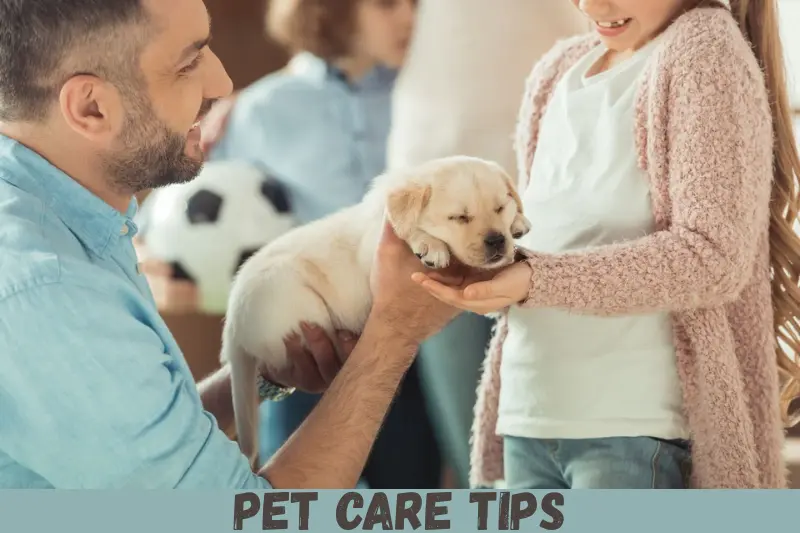
Pet care tips are important because pets depend entirely on their owners. They cannot explain discomfort or illness clearly, so proper care is the key to their well-being.
Good care improves your pet’s quality of life. A healthy pet is more active, playful, and emotionally balanced. Proper routines also help pets feel secure and reduce anxiety.
Pet care also protects humans. Clean environments, vaccinations, and hygiene reduce the risk of infections and allergies. This creates a healthier home for everyone.
Another reason pet care matters is long-term cost control. Preventive care reduces expensive medical treatments later. Simple habits like regular grooming and balanced feeding can prevent serious health issues.
Most importantly, following the right care practices strengthens the bond between you and your pet. Trust grows when your pet feels safe, loved, and understood.
Detailed Step-by-Step Guide
Step 1: Choose the Right Food
Nutrition is the foundation of pet health. Always choose food suitable for your pet’s age, size, and species.
Read labels carefully and avoid low-quality fillers. Fresh water should always be available. Avoid feeding human food unless approved for pets.
Step 2: Maintain a Daily Routine
Pets feel secure with routines. Feed, walk, and play with your pet at the same times each day.
Consistency helps with training and reduces stress-related behavior problems.
Step 3: Provide Regular Exercise
Exercise keeps pets physically fit and mentally active. Dogs need daily walks, while cats benefit from play sessions.
Lack of exercise can lead to obesity and boredom-related issues.
Step 4: Focus on Grooming and Hygiene
Regular grooming keeps your pet clean and healthy. Brush fur, trim nails, and clean ears as needed.
Bathing should be done based on your pet’s needs, not too frequently.
Step 5: Schedule Health Checkups
Routine veterinary visits help detect problems early. Vaccinations, parasite control, and dental care are essential.
Even if your pet looks healthy, regular checkups are important.
Step 6: Create a Safe Living Space
Your pet’s environment should be safe and comfortable. Remove toxic items and provide proper bedding.
A calm space helps pets relax and feel secure.
Step 7: Offer Emotional Care and Training
Pets need attention and affection. Spend quality time with them daily.
Basic training improves communication and builds trust between you and your pet.
Benefits of Pet Care Tips
- Improves overall pet health and longevity
- Reduces behavioral problems and stress
- Strengthens the bond between pet and owner
- Helps prevent common illnesses
- Saves money on long-term medical costs
- Creates a safer and cleaner home environment
Disadvantages / Risks
- Requires time and daily commitment
- Initial learning can feel overwhelming
- Costs for food, grooming, and health care
- Mistakes can happen without proper guidance
Common Mistakes to Avoid
Many pet owners make mistakes without realizing it. One common error is overfeeding, which leads to obesity and health problems. Another mistake is ignoring early signs of illness, such as changes in behavior or appetite.
Skipping exercise is also harmful. Pets need physical activity for both body and mind. Using harsh training methods can damage trust and cause fear.
Inconsistent routines confuse pets and increase anxiety. Lastly, avoiding regular health checkups often results in late diagnosis of problems.
Avoiding these mistakes helps you apply pet care tips more effectively and responsibly.
FAQs
How often should I feed my pet?
Most pets should be fed one to two times a day, depending on age and species. Always follow recommended feeding guidelines.
Is grooming necessary for short-haired pets?
Yes, grooming helps remove dirt, loose hair, and allows early detection of skin issues.
How can I tell if my pet is stressed?
Signs include hiding, aggression, loss of appetite, and changes in sleep patterns. Routine and calm interaction help reduce stress.
Do indoor pets need exercise?
Absolutely. Indoor pets still need daily physical and mental stimulation to stay healthy.
When should I visit a veterinarian?
At least once a year for routine checkups, or immediately if you notice unusual behavior or symptoms.
Can I train my pet at home?
Yes, basic training can be done at home using patience, consistency, and positive reinforcement.
Expert Tips & Bonus Points
Start care routines early to build good habits. Observe your pet closely to understand their unique needs. Keep a simple health record to track vaccinations and changes.
Use positive reinforcement instead of punishment. Introduce changes gradually to avoid stress. Most importantly, be patient and consistent.
These expert-level pet care tips help create a balanced and happy life for your pet.
Conclusion
Caring for a pet is a long-term commitment that requires love, patience, and knowledge. When you understand your pet’s needs and follow proper routines, you create a strong foundation for their health and happiness. Simple actions like balanced feeding, regular exercise, grooming, and emotional attention can greatly improve your pet’s quality of life.
Pet care tips are not about perfection. They are about consistency and awareness. Every pet is different, and learning from daily interaction helps you become a better owner. Mistakes may happen, but with the right approach, they can be corrected early.
