

Introduction
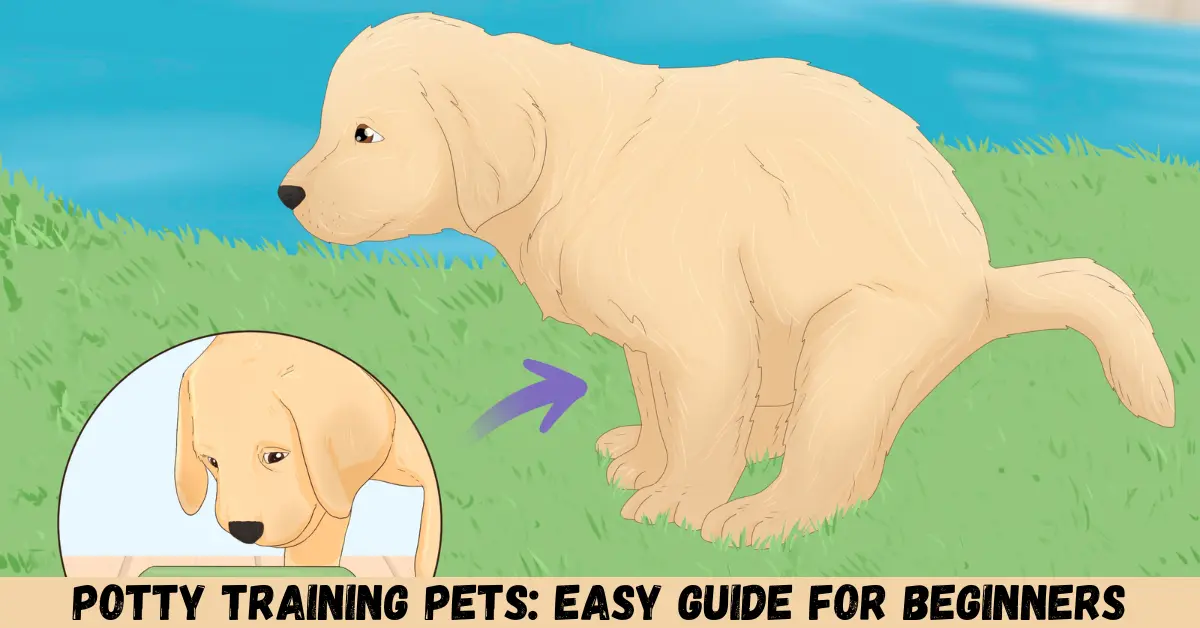
Potty Training Pets is one of the most important tasks for any pet owner, especially for beginners. Whether you have a puppy, a kitten, or a small Pet Training like a rabbit, teaching them where and when to go is essential for a clean and happy home. While it may seem overwhelming at first, with patience, consistency, and the right techniques, potty training pets can be a smooth and even enjoyable process.
Many new pet owners struggle with accidents, frustration, and confusion about the best methods. This guide will provide clear, step-by-step instructions, expert tips, and solutions to common challenges. By following these practices, you can establish a routine that helps your pet understand what’s expected, while keeping your living space clean and hygienic.
What is Potty Training Pets?
Potty training pets is the process of teaching animals, especially dogs and cats, to eliminate waste in designated areas. This includes teaching puppies to go outside or on puppy pads, kittens to use litter boxes, and even small pets like rabbits to use specific potty spots.
Potty training is about establishing habits and routines. Pets do not instinctively know where it is appropriate to go, so guidance from the owner is essential. The training involves observation, reinforcement, and sometimes the use of tools like crates, litter boxes, or training pads.
It’s important to understand that each pet learns at its own pace. Some puppies grasp the concept within a few days, while others may take weeks. Cats are often easier to train with litter boxes because of their natural instincts, while other small animals may require creative approaches. The key is consistency, patience, and positive reinforcement.
Why is Potty Training Pets Important?
Potty training pets is crucial for several reasons:
- Maintains Cleanliness: A properly trained pet reduces accidents in the house, keeping your home clean and odor-free.
- Health Benefits: Prevents health issues such as urinary tract infections in pets that may arise from holding in waste or unsanitary conditions.
- Reduces Stress: Pets feel more secure when they understand routines, and owners feel less frustrated dealing with accidents.
- Improves Bonding: Training provides quality interaction between pets and owners, strengthening trust and understanding.
- Social Benefits: Well-trained pets can visit friends’ homes, go to daycare, or attend social events without causing hygiene problems.
Potty training also sets the foundation for future behavior training. A pet that understands basic hygiene is easier to teach other commands and routines, making everyday life more manageable.
Detailed Step-by-Step Guide
Training pets requires structured steps, patience, and consistency. Here’s a comprehensive guide to potty training pets effectively.
Step 1: Choose the Right Potty Area
- For dogs, select a spot in your yard or outside area where you want your pet to eliminate.
- For puppies indoors, use puppy pads or designated areas for accidents.
- For cats, place the litter box in a quiet, accessible location, away from food and water.
- For small pets like rabbits, choose a corner or a litter tray they can easily access.
Consistency in location helps pets associate that area with elimination.
Step 2: Establish a Routine
Pets learn best through repetition. Set a schedule that includes:
- Morning: Take your pet to the potty area immediately after waking up.
- After Meals: Most pets need to go shortly after eating.
- Before Bedtime: Take your pet to the potty before sleeping.
- After Playtime: Physical activity often triggers the need to go.
Maintaining a routine reduces accidents and reinforces the behavior you want to encourage.
Step 3: Observe Your Pet’s Signals
Pets often show signs when they need to go:
- Dogs: Sniffing, circling, whining, or scratching at doors.
- Cats: Scratching near their litter box or meowing near the spot.
- Rabbits/Small pets: Hopping towards their designated area or appearing restless.
Recognizing these signals allows you to act quickly and reinforce positive behavior.
Step 4: Use Positive Reinforcement
Positive reinforcement is key for effective potty training:
- Praise your pet immediately after they use the correct spot.
- Offer treats or favorite toys as rewards.
- Use encouraging words like “Good potty!” to make the experience enjoyable.
Avoid punishment. Scolding or harsh behavior can confuse pets and create fear, slowing down training.
Step 5: Handle Accidents Calmly
Accidents are part of the learning process. Here’s how to deal with them:
- Do not punish your pet. They won’t understand and may develop fear.
- Clean the area thoroughly to remove odors that might attract them back.
- Observe patterns to prevent future accidents.
Patience is crucial. Even well-trained pets may have setbacks during changes in environment or routine.
Step 6: Gradually Increase Freedom
Once your pet consistently uses the potty area, gradually increase their freedom:
- Allow more access to different rooms in the house.
- Continue monitoring and rewarding correct behavior.
- For outdoor dogs, extend outdoor playtime but maintain potty breaks.
Gradual progression ensures pets do not regress and understand boundaries clearly.
Step 7: Troubleshooting Challenges
Some pets may have unique challenges:
- Shy cats may avoid new litter boxes; try quiet, low-traffic areas.
- Dogs who mark indoors may need supervision and crate training.
- Small pets may need multiple litter areas if they roam freely.
Identify the root cause and adjust training techniques accordingly.
Benefits of Potty Training Pets

- Cleaner home environment
- Reduced stress for owners and pets
- Healthier pets with fewer infections
- Strengthened human-animal bond
- Easier travel and social visits
- Better behavior management for future training
- Enhanced confidence and independence in pets
Disadvantages / Risks
- Time-consuming, especially with stubborn pets
- Initial messes and accidents
- Requires patience and consistency
- Stress for pets if training is rushed or harsh
- Potential damage to furniture or floors during the learning phase
Despite these challenges, the benefits of potty training pets far outweigh the temporary inconveniences.
Common Mistakes to Avoid
- Inconsistency: Changing potty areas or schedules confuses pets.
- Punishment: Scolding for accidents creates fear and slows learning.
- Ignoring Signals: Not noticing cues leads to more accidents.
- Skipping Rewards: Lack of positive reinforcement reduces motivation.
- Rushing the Process: Some pets need weeks or months; patience is vital.
- Unclean Potty Area: Foul smells may deter pets from using designated spots.
Avoiding these mistakes ensures smoother and faster training progress.
FAQs
1. How long does it take to potty train a pet?
Training duration varies depending on species, age, and personality. Puppies usually take 4–8 weeks, kittens 2–4 weeks, and small pets may require consistent routines for several months.
2. Can older pets be potty trained?
Yes. Older pets may take longer due to established habits, but with patience and consistency, they can learn. Positive reinforcement is key.
3. Should I use crates for potty training?
Crates are effective for dogs because they discourage accidents and teach bladder control. Ensure the crate is appropriately sized and comfortable.
4. How many potty breaks does a puppy need daily?
Puppies generally need a break every 2–3 hours, plus after meals, naps, and play sessions.
5. My cat refuses the litter box. What should I do?
Try changing the litter type, ensuring cleanliness, placing boxes in quiet areas, or using multiple boxes. Cats prefer private, odor-free spaces.
6. Are potty pads necessary for indoor training?
Not always, but they can be useful for small spaces or when outdoor access is limited. Gradually transition pets from pads to outdoor areas if desired.
7. What if my pet regresses after initial training?
Regression can occur during stress, illness, or routine changes. Go back to consistent schedules, reinforce positive behavior, and be patient.
8. Can rabbits and small pets learn potty habits?
Yes. Many small animals can use litter trays or designated potty areas with patience, observation, and rewards.
Expert Tips & Bonus Points
- Use Consistent Commands: Words like “Go potty” help pets associate action with language.
- Track Patterns: Keep a log of potty times to predict needs and reduce accidents.
- Limit Access Initially: Confine new pets to small areas while learning.
- Invest in High-Quality Supplies: Durable litter boxes, pads, and cleaning products improve training success.
- Patience is Key: Every pet learns differently—stay calm and positive.
- Reward Immediately: Reinforce behavior as soon as the pet goes in the right place.
- Socialize Slowly: For multi-pet households, train one pet at a time to avoid confusion.
- Clean Accident Spots Thoroughly: Enzymatic cleaners remove odors and prevent repeated accidents.
Conclusion
Potty training pets may seem challenging at first, but with a structured approach, patience, and positive reinforcement, it becomes an achievable and rewarding task. Understanding your pet’s behavior, maintaining consistency, and observing cues are essential components for success.
Whether you have a playful puppy, a shy kitten, or an energetic rabbit, implementing these steps helps establish routines that promote cleanliness, health, and harmony at home. Accidents are natural, but handling them calmly and reinforcing correct behavior ensures long-term success.
