


Introduction
Bringing a new puppy into your home is an exciting and joyful experience, but it also comes with its challenges. Puppies are curious, playful, and full of energy, which makes training an essential part of their development. A well-trained puppy grows into a confident, obedient, and happy dog. However, puppy training can seem overwhelming for first-time Pet Training owners. That’s why having a comprehensive guide can make all the difference.
This Puppy Training Guide is designed to help you understand your puppy’s behavior, teach essential skills, and build a strong bond. Whether you are a beginner or have some experience with dogs, this guide will provide practical, step-by-step instructions that are easy to follow. By using positive reinforcement, consistency, and patience, you can train your puppy without stress.
What is Puppy Training?
Puppy training refers to the process of teaching your young dog proper behavior, social skills, and basic commands. It is a structured approach to guide puppies as they grow, helping them understand what is acceptable and what is not. Puppy training usually begins as early as eight weeks old and continues for several months, depending on the puppy’s age, breed, and temperament.
Training involves teaching your puppy essential skills, such as:
- House training: Teaching your puppy to eliminate in the right place.
- Obedience commands: Commands like sit, stay, come, and down.
- Socialization: Helping your puppy get comfortable with other dogs, people, and environments.
- Behavior management: Reducing undesirable behaviors such as biting, chewing, or excessive barking.
The goal of puppy training is not just obedience; it is about fostering a trusting and respectful relationship between you and your pet. Well-trained puppies are easier to manage, happier, and more likely to grow into well-behaved adult dogs.
Why is Puppy Training Important?
Training your puppy is essential for multiple reasons. Here’s why:
- Builds Good Habits Early: Puppies are highly impressionable, and early training ensures positive behaviors are established from the beginning.
- Prevents Behavioral Issues: Training helps prevent common problems like aggression, separation anxiety, and destructive chewing.
- Enhances Safety: A trained puppy is less likely to run into dangerous situations, such as traffic or toxic substances.
- Strengthens Bond: Training creates trust and improves communication between you and your puppy.
- Eases Socialization: Puppies learn how to behave around other dogs and people, reducing stress and fear.
- Facilitates Vet Visits: A well-trained puppy is easier to handle during vaccinations, grooming, or medical check-ups.
Investing time in training from the start saves a lot of frustration later. Puppies that grow up with consistent guidance are more confident, happy, and adaptable throughout their lives.
Detailed Step-by-Step Guide
Step 1: Preparing for Your Puppy
Before your puppy arrives, make sure your home is ready.
- Puppy-proof your home: Remove dangerous items, secure cords, and keep small objects out of reach.
- Designate a safe space: Provide a comfortable crate or playpen for your puppy to rest.
- Gather supplies: Food, water bowls, toys, a leash, collar, grooming tools, and puppy pads.
Step 2: House Training
House training is one of the first skills a puppy should learn.
- Establish a routine: Take your puppy outside frequently—after waking, eating, playing, and before bedtime.
- Choose a spot: Pick a designated area for elimination. Consistency is key.
- Positive reinforcement: Praise and reward your puppy immediately after they go in the right place.
- Supervise indoors: Watch for signs that your puppy needs to go out, like sniffing or circling.
- Clean accidents properly: Use enzymatic cleaners to remove odors that may attract your puppy back to the same spot.
Step 3: Basic Commands
Teaching simple commands helps your puppy understand expectations and improves communication.
- Sit: Hold a treat above your puppy’s nose, move it back toward their tail, and say “sit.” Reward immediately.
- Stay: Start with short periods and gradually increase the time. Reward calm behavior.
- Come: Use a cheerful tone and rewards when your puppy responds. Practice in safe, enclosed areas.
- Down: Encourage your puppy to lie down from a sitting position. Reward and praise consistently.
Consistency, patience, and repetition are critical. Practice commands several times a day in short sessions to maintain your puppy’s attention.
Step 4: Socialization
Proper socialization is crucial for a well-adjusted dog.
- Introduce your puppy to different people, children, and pets.
- Expose them to various sounds, surfaces, and environments.
- Reward calm behavior and avoid forcing interactions.
Socialization reduces fear and aggression, helping your puppy develop confidence in new situations.
Step 5: Crate Training
Crate training provides a safe space and helps with house training.
- Place the crate in a quiet, comfortable area.
- Encourage your puppy to enter with treats and toys.
- Start with short periods and gradually increase the time.
- Never use the crate as punishment.
A properly trained puppy sees the crate as a secure den, not a confinement area.
Step 6: Managing Chewing and Biting
Puppies explore the world with their mouths.
- Provide plenty of chew toys.
- Redirect inappropriate chewing to acceptable items.
- Use firm but gentle corrections for biting.
- Praise good behavior consistently.
Step 7: Leash Training
Leash training is essential for walks and outdoor safety.
- Start indoors with a lightweight leash.
- Reward your puppy for walking beside you.
- Avoid pulling; stop walking if the puppy tugs.
- Gradually introduce outdoor environments.
Leash training builds discipline and makes walks enjoyable for both of you.
Step 8: Handling and Grooming
Introduce grooming early to prevent stress and fear.
- Gently handle paws, ears, and mouth daily.
- Brush your puppy regularly.
- Introduce baths gradually with positive reinforcement.
- Reward calm behavior to make grooming a positive experience.
Benefits of Puppy Training
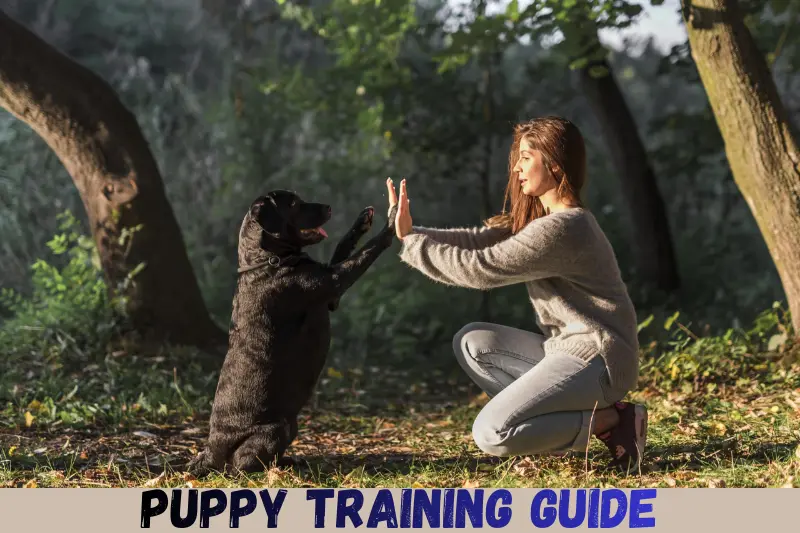
Training your puppy has numerous advantages:
- Improves obedience and reduces problem behaviors
- Enhances your bond with your puppy
- Promotes safety indoors and outdoors
- Makes vet visits and grooming easier
- Boosts your puppy’s confidence and social skills
- Reduces stress for both owner and puppy
- Encourages a long-lasting, happy relationship
Disadvantages / Risks
While puppy training is essential, there are potential risks if not done correctly:
- Inconsistency: Mixed signals can confuse your puppy.
- Harsh methods: Punishment-based training may cause fear or aggression.
- Overtraining: Long sessions can tire or stress your puppy.
- Ignoring socialization: Puppies may develop fear or aggression toward people or animals.
Common Mistakes to Avoid
- Skipping socialization: Delays in exposure can lead to fearful or aggressive dogs.
- Using punishment: Negative reinforcement can harm trust and behavior.
- Inconsistent commands: Conflicting instructions confuse puppies.
- Expecting instant results: Puppies need time to learn; patience is essential.
- Neglecting exercise: Boredom can lead to destructive behaviors.
- Not rewarding good behavior: Positive reinforcement encourages learning.
Avoiding these mistakes ensures effective, stress-free training for you and your puppy.
FAQs
1. When should I start training my puppy?
Training can start as early as 8 weeks old. Young puppies are highly receptive to learning basic commands and socialization skills.
2. How long should training sessions be?
Short, frequent sessions of 5–10 minutes are ideal for puppies. Avoid long sessions that may tire them.
3. Can I train my puppy alone, or should I hire a trainer?
While many owners can train their puppies at home using guidance and consistency, professional trainers can help with specific behavioral issues or advanced obedience.
4. How do I stop my puppy from biting?
Redirect biting to chew toys, use gentle corrections, and reward calm behavior. Avoid physical punishment, which can create fear.
5. Is crate training necessary?
Crate training is highly recommended as it provides a safe space, aids house training, and helps reduce separation anxiety.
6. How do I socialize a fearful puppy?
Introduce new experiences gradually, reward calm behavior, and avoid forcing interactions. Positive exposure helps build confidence.
7. Can older puppies still be trained?
Yes. While younger puppies learn faster, older dogs can also be trained using patience, consistency, and positive reinforcement.
8. How do I handle accidents indoors?
Never punish your puppy. Clean the area with enzymatic cleaners to remove odors and reinforce outdoor elimination through praise and rewards.
Expert Tips & Bonus Points
- Consistency is key: Use the same commands, tone, and expectations every time.
- Reward good behavior immediately: Puppies connect actions with consequences faster.
- Keep training fun: Use toys, treats, and praise to make learning enjoyable.
- Practice patience: Every puppy learns at a different pace; avoid frustration.
- Observe body language: Understanding your puppy’s signals helps prevent issues early.
- Combine training with play: Short games reinforce learning while providing exercise.
- Use gentle corrections: Redirect, guide, and reward rather than punish.
Bonus tip: Socialization trips to pet-friendly stores, parks, and puppy classes expose your puppy to new sights, smells, and sounds, making them well-rounded adult dogs.
Conclusion
Puppy training is an exciting journey that sets the foundation for a lifelong relationship between you and your furry friend. By starting early, being consistent, and using positive reinforcement, you can teach your puppy essential skills, prevent behavioral problems, and foster a trusting bond.
A well-trained puppy is happier, safer, and more confident, making daily life enjoyable for both the dog and owner. Remember, patience, dedication, and understanding are your best tools. Mistakes are normal; what matters is learning and adjusting your approach.
